
The Black Sea’s Asymmetric Blueprint
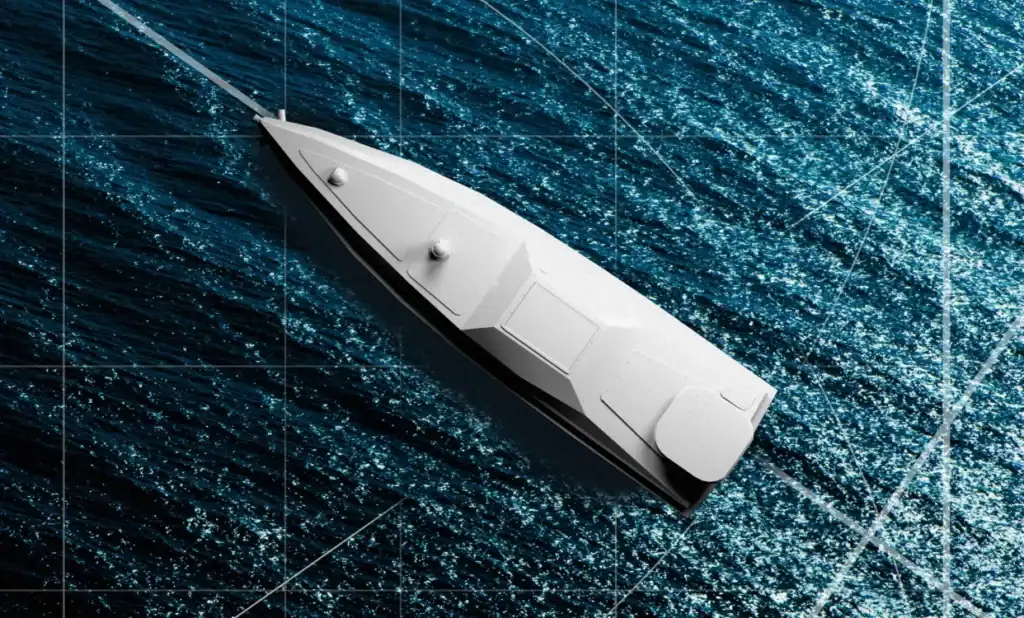
Ukraine’s Black Sea campaign provides the clearest operational record to date of how unmanned surface vehicles (USVs) can achieve strategic effects against a superior naval force. With no functioning fleet at the outset of the war, Ukraine employed USVs, special operations integration, and rapid industry–military adaptation to degrade Russia’s Black Sea Fleet, limit its freedom of maneuver, and protect Ukraine’s maritime approaches.
Key Operational Insights:
— Effects on Russian operations: Over 20% of the Black Sea Fleet has been destroyed or disabled. Russia has withdrawn major vessels from Sevastopol, curtailed strike missions, and reduced logistical presence in contested waters.
— Industry–military feedback loop: Platforms such as Sea Baby and MAGURA V5were refined through continuous frontline feedback, demonstrating the feasibility of combat-driven naval R&D cycles measured in months rather than years.
— Cost exchange: Ukraine’s campaign imposed favorable cost ratios, with relatively low-cost unmanned assets inflicting outsized damage on complex, high-value Russian vessels.
Implications for Allies:
— Doctrine: Modern littoral operations can achieve sea denial without traditional fleets. Future naval doctrine must incorporate unmanned, distributed, and attritable systems as central — not auxiliary — capabilities.
— Countermeasures: Russia’s reliance on ad hoc defenses (booms, nets, small-arms fire) proved inadequate. Counter-USV and integrated littoral defense should become priority R&D areas for NATO and partner navies.
— Force design: Small and mid-sized allies can leverage USVs to offset disadvantages in conventional tonnage, while larger navies should consider integrating USV squadrons to reduce dependence on high-value capital ships in contested zones.
Ukraine’s campaign has provided a rare, combat-tested data set on unmanned maritime operations. For the United States, NATO, and partners, the lessons from the Black Sea underscore the urgency of integrating USVs, strengthening countermeasures, and building faster industry–military innovation cycles into naval planning.
Our Publications
See more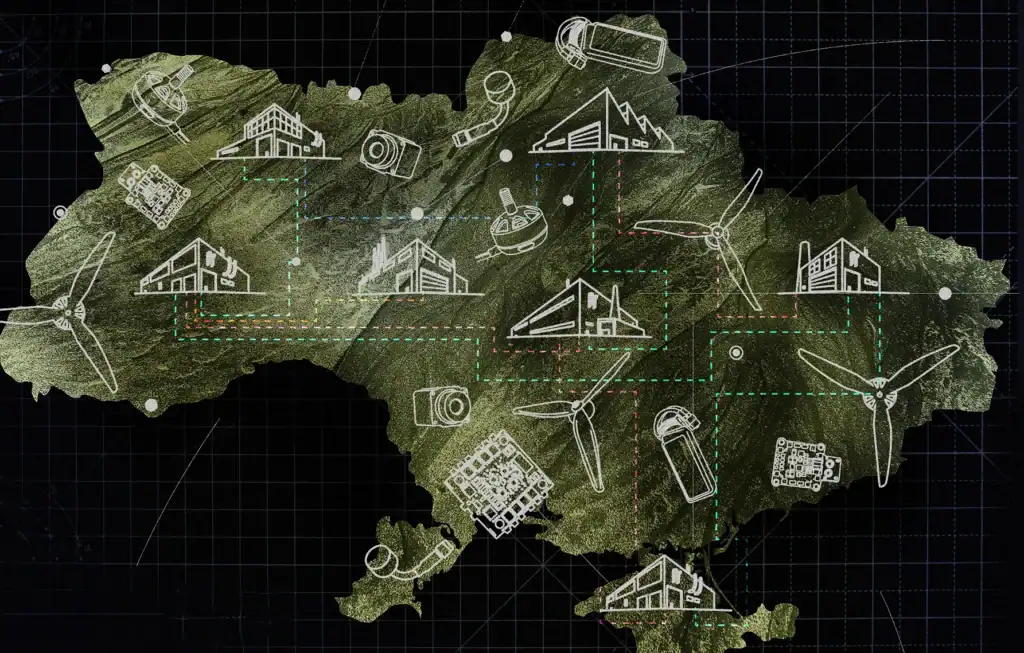
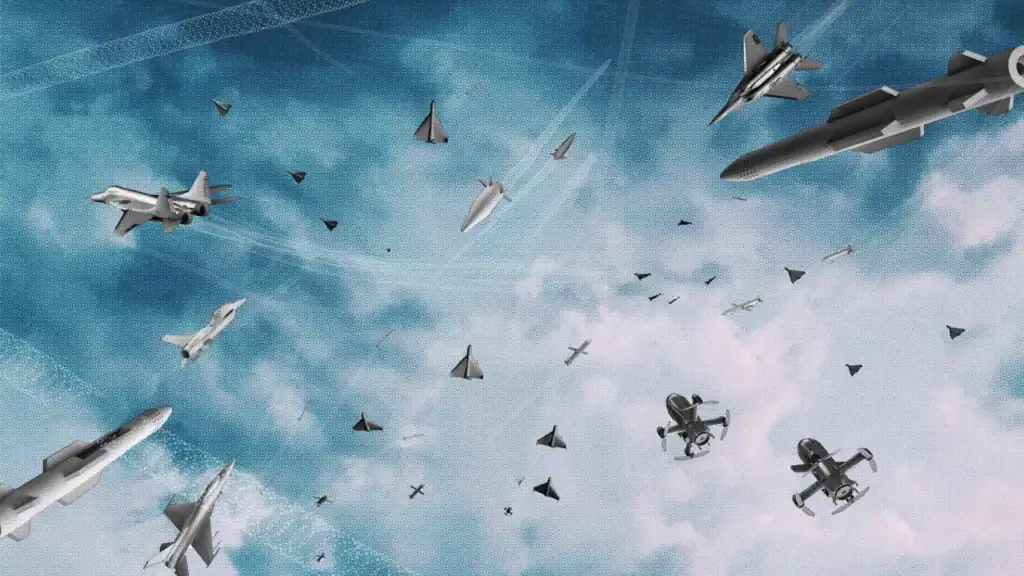
The new air defense.
The drone industrial base.
The unmanned war at sea.
And more.
Defense analysis,
in your inbox.